Most people never plan to shop for medical equipment. It usually happens because life changes without much warning. A parent is coming home after surgery, a family member needs extra support after a hospital stay, or someone simply wants to move around the house more safely. In those moments, the pressure to make the right decision feels real because the equipment you choose will become part of everyday life. That is why it helps to slow down and ask a few practical questions before committing. Plenty of companies that sell medical supplies offer similar products, but the experience behind those products is rarely the same. Good equipment matters, but honest guidance, dependable service, and long-term support matter just as much.
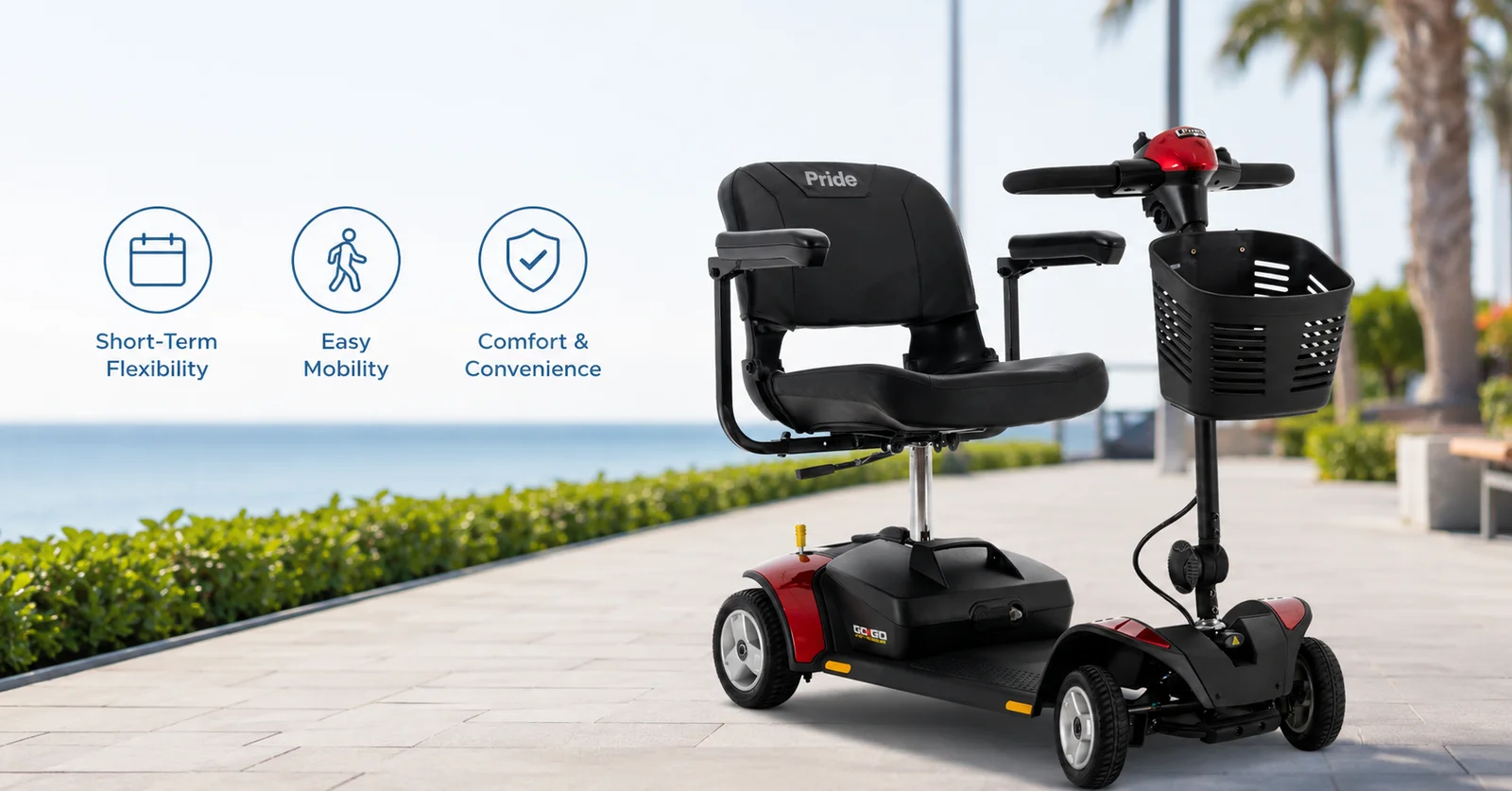
There is no single right answer here, which is exactly why this question deserves to come first. Some people only need equipment for the few weeks it takes to recover from surgery, while others are preparing for care that could continue for years. Renting makes perfect sense in one situation and very little in the other. A good provider will walk you through the advantages of both instead of assuming one option fits everyone. If the conversation feels more focused on understanding your needs than closing a sale, you are probably dealing with someone who has your best interests in mind.
It sounds like a basic question, but it reveals a lot about how a provider operates. Equipment should never arrive with uncertainty attached to it. It should be professionally cleaned, carefully inspected, and tested before it leaves the facility. This is especially important with rental equipment that has been used previously. Families already have enough to think about during recovery. Wondering whether a hospital bed or wheelchair has been properly maintained should not be one of those concerns.
Medical equipment often looks simpler than it really is. A hospital bed has multiple adjustments, mobility equipment needs to be fitted correctly, and patient lifts require careful operation. Having someone deliver the equipment is helpful, but having someone explain how to use it properly is far more valuable. A short demonstration can answer questions people do not even know they have yet. That kind of guidance often prevents small mistakes that become frustrating once the equipment is being used every day.
The real test of a provider usually comes after the equipment has been delivered. Parts can wear out, medical needs can change, and unexpected questions almost always come up. Before making your decision, it is worth asking:
The answers say far more about a provider than any advertisement ever could.
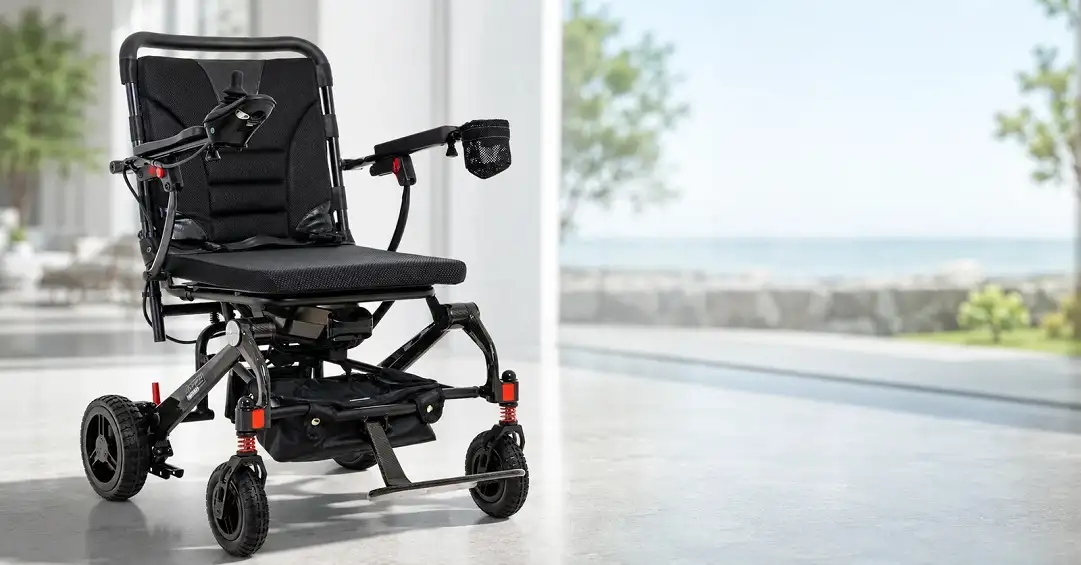
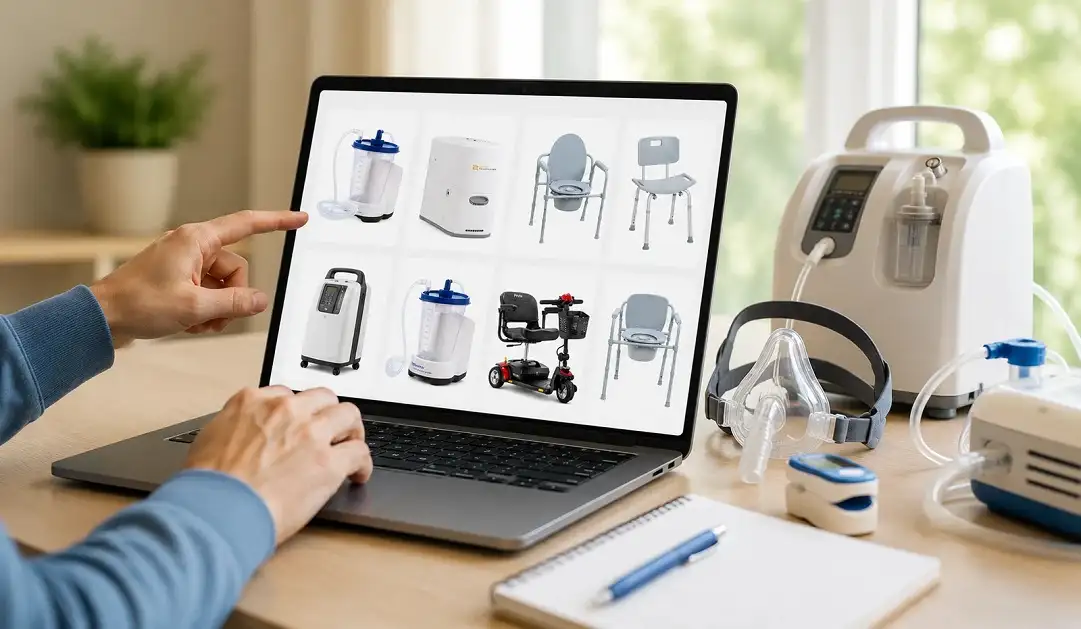
Healthcare needs rarely stay the same for very long. Someone who starts with a walker may later need a transport chair, bathroom safety products, or respiratory equipment. Choosing a durable medical equipment supply store with a broad selection makes those transitions much easier. It also allows you to compare products instead of settling for whatever happens to be available. That flexibility becomes surprisingly valuable as recovery progresses or care needs evolve.
You can usually tell how experienced a provider is within the first few minutes of talking to them. Instead of immediately pointing you toward a product, they will want to know a bit about your situation. Is the person using the equipment able to climb stairs? Is there enough room in the home? Will a family member be helping every day? Questions like these are not just conversation. They shape the recommendation. The most reliable companies that sell medical supplies understand that the same piece of equipment can work brilliantly for one person and be completely impractical for someone else. That is why they take the time to understand the person first and the product second.
Very few people have the same needs from start to finish. Someone might rent a wheelchair after surgery, then later realize a walker is all they need. Another family may need extra equipment as a loved one's condition changes over time. That is why ongoing support matters just as much as the equipment itself. At Elmora Health Care, we do not see our job as ending once everything has been delivered. We want our patients and their families to know they can still reach out when questions come up, when circumstances change, or when a different solution simply makes more sense. Good care is not limited to delivery day.
Choosing medical equipment is about much more than comparing prices or reading product descriptions. The right provider makes the process clearer, answers questions honestly, and continues to offer support after the equipment is in your home. Taking the time to ask these seven questions can save frustration and help you make a decision that serves you well in the weeks, months, or even years ahead. If you need dependable medical equipment and guidance you can trust, contact us today. We are here to help you find the right solution with care, experience, and personalized support.
1. Is it better to rent or buy medical equipment?
It depends on how long you will need the equipment. Short-term recovery often makes renting more practical, while long-term use may justify purchasing.
2. Should rented medical equipment be cleaned before delivery?
Yes. Reputable providers clean, inspect, and test every piece of equipment to ensure it is safe and ready for use.
3. Why is a professional setup important for medical equipment?
Proper setup helps the equipment work as intended and reduces the risk of incorrect use, especially for hospital beds, lifts, and mobility devices.
4. What should I ask about customer support before choosing a provider?
Ask whether repairs, equipment exchanges, and ongoing assistance are available if your needs change or an issue arises after delivery.
5. How can I tell if a medical equipment provider is experienced?
An experienced provider takes time to understand your situation and recommends equipment based on your specific needs rather than offering a one-size-fits-all solution.
BLOGS